
Intellectual Property in Thailand

Intellectual property (IP) is an important legal and commercial asset for businesses, entrepreneurs, artists, inventors, and other creators in Thailand. Intellectual property law provides legal mechanisms for protecting original creations, brands, inventions, confidential business information, and other forms of intangible assets. Effective IP protection can help businesses preserve their competitive position, prevent unauthorized use, and […]
Buying Property in Thailand

Buying property in Thailand can be an important financial and lifestyle decision for Thai nationals and foreign buyers. Thailand’s residential, commercial, and condominium markets provide a range of opportunities, but purchasing real estate involves significant legal and financial considerations. Understanding the importance of careful property selection, due diligence, financing, ownership structures, and legal compliance can […]
Thai Will and Succession

Planning for the distribution of assets after death is an important part of personal and family financial planning. In Thailand, wills and succession are governed primarily by the Civil and Commercial Code (CCC), particularly the provisions concerning succession. A properly prepared Thai will can help establish how a person’s Thai assets should be distributed and […]
Property Title Transfer in Thailand

Property title transfer in Thailand is the legal process through which ownership or another recognized property right is transferred from one person or entity to another. The procedure can arise from a sale, gift, inheritance, court order, or other legal transaction. Because Thai property law distinguishes between different types of land documents and property rights, […]
Sales Contract Review in Thailand

Sales contracts are fundamental to commercial and private transactions in Thailand. Whether the agreement concerns real estate, goods, equipment, services, or business assets, the contract establishes the rights and obligations of the parties. Because contractual language can determine payment obligations, delivery requirements, liability, and remedies, reviewing a sales contract carefully before signing is an important […]
Property Due Diligence in Thailand

Property investment in Thailand can provide significant opportunities for Thai nationals and foreign investors, but purchasing real estate involves legal, financial, and practical risks. Property due diligence in Thailand is an important process that helps buyers understand the ownership, legal status, financial obligations, and physical condition of a property before completing a transaction. In Thailand, […]
Property Leasehold in Thailand

Property Leasehold in Thailand. Leasehold is the practical, legally recognized route for long-term control of land and houses in Thailand—especially for foreigners who cannot hold freehold land. But “leasehold” in Thailand is a technical regime with strict statutory limits, important registration rules, and specific financing, tax and exit consequences you must plan for. Below I […]
Property Mortgages in Thailand

Property Mortgages in Thailand. Mortgages are the main form of secured lending against immovable property in Thailand. They are registrable real rights: the lender takes a non-possessory security interest which must be created in writing and registered at the local Land Office to bind third parties and establish priority. Below I explain the legal mechanics, […]
Title Deeds in Thailand
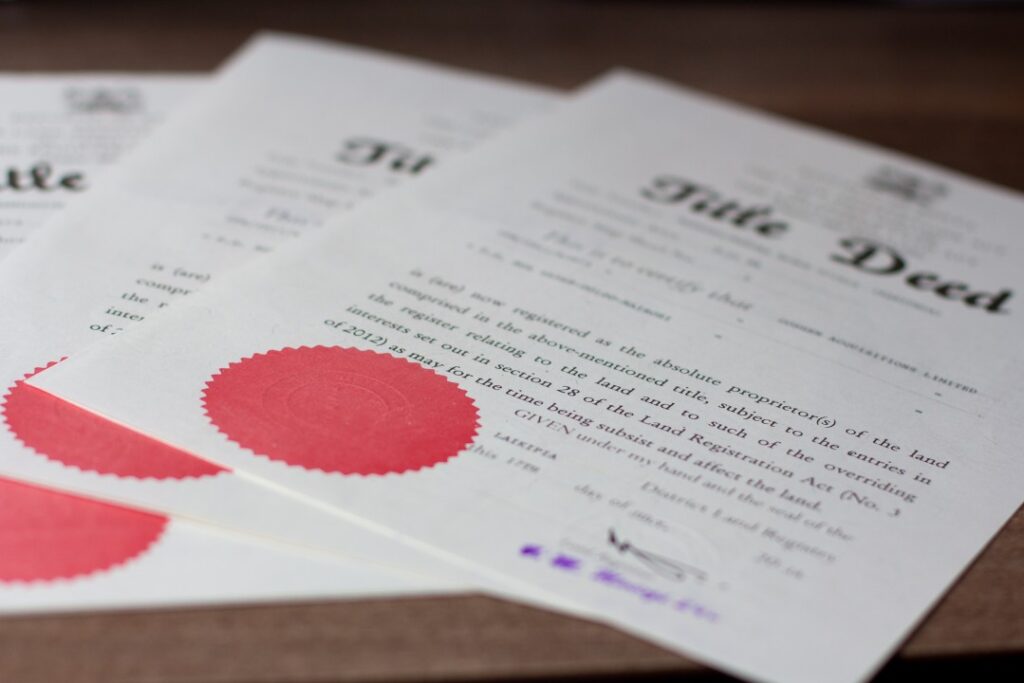
Title Deeds in Thailand. In Thailand, title deeds (Chanote and other forms) are more than mere evidence of land ownership; they define the legal status, permissible use, transferability, and encumbrance rights associated with real property. The country’s land tenure system is highly codified under the Land Code B.E. 2497 (1954), with title documents issued and […]
Usufructs in Thailand
Usufructs in Thailand. In Thailand, a usufruct is a legal right that allows a person (the usufructuary) to use and benefit from another person’s property for a set period, typically up to 30 years or for the usufructuary’s lifetime. Usufructs provide foreigners with a secure way to use land without ownership, often for agricultural, residential, […]